Advertisement

Home › Golf

Top 10 golf balls for every type of golfer

By the PickWise team · Updated November 2026 · 10 min read

From tour balls like the Pro V1 and Chrome Tour to great-value options, we compared the latest golf balls on feel, spin and distance for every game.

The 10 at a glance

#BallCoverFeelSwing speed
1Titleist Pro V1Best overallUrethaneSoftMid to fast
2Callaway Chrome TourBest soft feelUrethaneSoftMid to fast
3TaylorMade TP5xBest in the windUrethaneFirmFast
4Titleist Pro V1xBest for high launchUrethaneFirmerFast
5Srixon Z-Star DiamondBest for iron controlUrethaneFirmFast
6Wilson Staff Model XBest value tour ballUrethaneFirmFast
7TaylorMade Tour Response StripeBest for alignmentUrethaneSoftSlow to mid
8Titleist Tour SoftBest soft distance ballIonomerVery softSlow to mid
9Bridgestone e12 SpeedBest valueIonomerMediumMid to fast
10Callaway SupersoftBest budgetIonomerVery softSlow
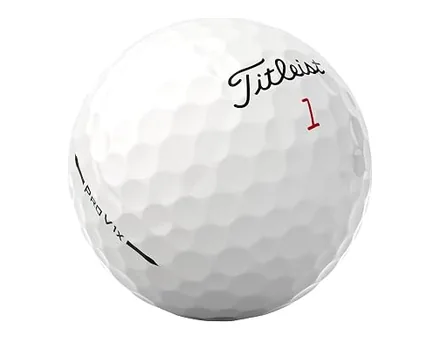
Titleist Pro V11

Best overall

Titleist Pro V1

Cover: UrethaneFeel: SoftSwing speed: Mid to fast

Suits: Golfers who want tour-level spin and control with a soft, consistent feel.

Good to know: The ball most others are measured against, with a penetrating flight and plenty of greenside spin.

Pros

  • Excellent greenside spin and control
  • Soft, consistent feel
  • Very consistent from ball to ball

Cons

  • Premium price
  • Too much spin for some slower swingers
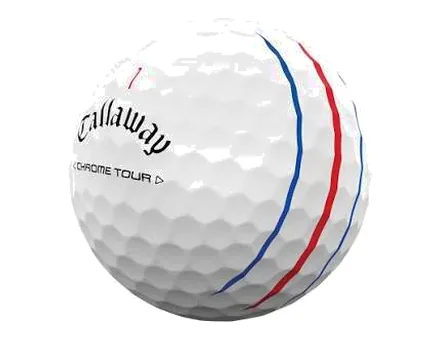
Callaway Chrome Tour2

Best soft feel

Callaway Chrome Tour

Cover: UrethaneFeel: SoftSwing speed: Mid to fast

Suits: Players who want speed off the tee and a soft feel without giving up short-game control.

Good to know: Callaway's 2026 tour ball, praised for its blend of speed, feel and consistent flight.

Pros

  • Fast off the tee
  • Soft feel around the greens
  • Consistent, stable flight

Cons

  • Premium price
  • Not as low-spinning as the firmer tour balls
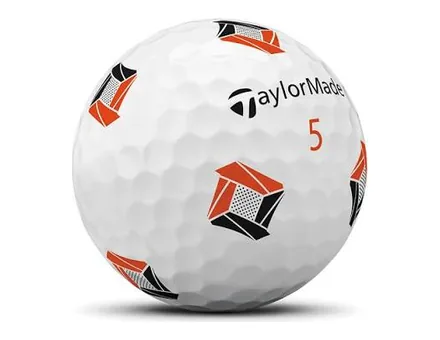
TaylorMade TP5x3

Best in the wind

TaylorMade TP5x

Cover: UrethaneFeel: FirmSwing speed: Fast

Suits: Faster swingers who want a lower, more penetrating flight and extra distance.

Good to know: The 2026 TP5x launches lower and spins less than the TP5, which helps in windy conditions.

Pros

  • Low, penetrating flight
  • Good distance for fast swingers
  • Tour-level short-game spin

Cons

  • Firm feel won't suit everyone
  • Less forgiving for slower swings
Titleist Pro V1x4

Best for high launch

Titleist Pro V1x

Cover: UrethaneFeel: FirmerSwing speed: Fast

Suits: Golfers who want a higher flight and more spin than the Pro V1.

Good to know: A slightly firmer feel than the Pro V1, with a higher launch and extra spin into greens.

Pros

  • Higher launch than the Pro V1
  • Extra spin for stopping power
  • Tour-level control

Cons

  • Firmer feel
  • Can spin too much for some players
Srixon Z-Star Diamond5

Best for iron control

Srixon Z-Star Diamond

Cover: UrethaneFeel: FirmSwing speed: Fast

Suits: Strong ball strikers who want plenty of spin and stopping power with their irons.

Good to know: Rated the best three-piece tour-level ball in Today's Golfer's 2026 robot test.

Pros

  • High iron spin for stopping power
  • Fast ball speed with a mid flight
  • Tour-level urethane cover

Cons

  • Firm feel
  • Designed for faster swing speeds
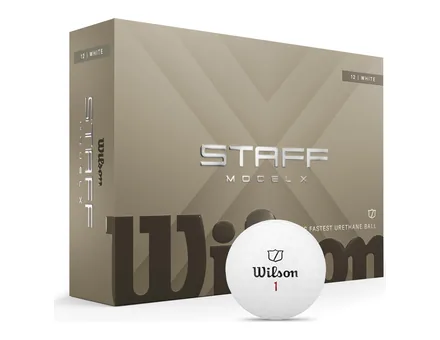
Wilson Staff Model X6

Best value tour ball

Wilson Staff Model X

Cover: UrethaneFeel: FirmSwing speed: Fast

Suits: Better players who want four-piece tour performance at a lower price.

Good to know: A four-piece urethane ball that's usually cheaper than the big-brand tour balls.

Pros

  • Tour-level four-piece construction
  • Usually cheaper than big-brand tour balls
  • Strong spin around the greens

Cons

  • Firm feel
  • Not stocked in as many shops
TaylorMade Tour Response Stripe7

Best for alignment

TaylorMade Tour Response Stripe

Cover: UrethaneFeel: SoftSwing speed: Slow to mid

Suits: Mid handicappers who want a urethane cover and help lining up putts.

Good to know: The bold stripe around the ball makes it easier to aim, and is easy to spot on the green.

Pros

  • Urethane cover at a mid-range price
  • Stripe helps with putting alignment
  • Soft feel

Cons

  • Stripe isn't to everyone's taste
  • Not as fast as a tour ball for big hitters
Titleist Tour Soft8

Best soft distance ball

Titleist Tour Soft

Cover: IonomerFeel: Very softSwing speed: Slow to mid

Suits: Club golfers who want a soft feel and good distance at a lower price than a tour ball.

Good to know: MyGolfSpy found it came closest to tour-level full-swing performance among ionomer balls.

Pros

  • Very soft feel
  • Good distance for the price
  • Close to tour-level on full swings

Cons

  • Less greenside spin than urethane balls
  • Not ideal for very fast swingers
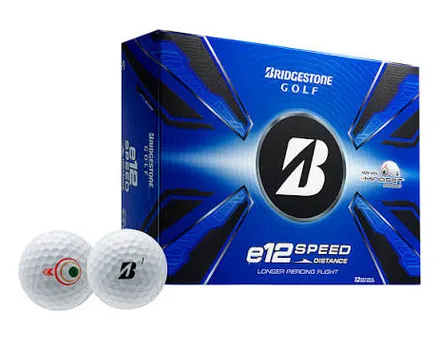
Bridgestone e12 Speed9

Best value

Bridgestone e12 Speed

Cover: IonomerFeel: MediumSwing speed: Mid to fast

Suits: Golfers who want more distance and a lower, straighter flight for less money.

Good to know: A three-piece distance ball with reduced spin, which keeps it low in the wind.

Pros

  • Great value
  • Low spin for a straighter flight
  • Holds its line in the wind

Cons

  • Less greenside spin
  • Firmer than soft distance balls
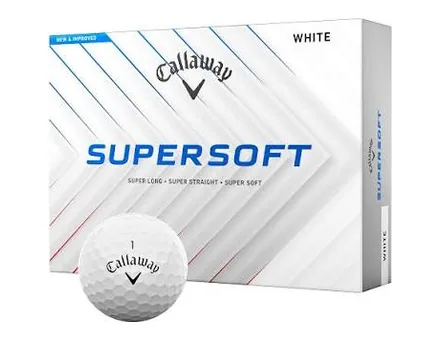
Callaway Supersoft10

Best budget

Callaway Supersoft

Cover: IonomerFeel: Very softSwing speed: Slow

Suits: Beginners and slower swingers who want a very soft feel and don't mind losing a few balls.

Good to know: One of the most popular budget balls, with a low compression that's easy to compress.

Pros

  • Very cheap per ball
  • Extremely soft feel
  • Easy to compress at slower speeds

Cons

  • Little short-game spin
  • Can balloon for faster swingers

Advertisement

Advertisement

Buying guide

How to choose a golf ball

The ball is the only piece of kit you use on every shot. Here's how to narrow it down.

Quick ball guide

A rough starting point based on your driver swing speed.

Under 85 mphSlower swingSoft, low compression
85 to 100 mphAverage club golferSoft tour or 3-piece
Over 100 mphFaster swingTour urethane ball
Losing lots of ballsAny speedValue 2-piece
01

Match the ball to your swing speed

Faster swingers can compress firmer balls and get more speed from them. Slower swingers usually get more distance and a better feel from softer, lower-compression balls.

02

Decide how much short-game spin you need

Urethane-covered balls, like the Pro V1 and Chrome Tour, spin more on chips and pitches, so they stop faster on the green. Ionomer-covered balls spin less but are usually cheaper and more durable.

03

Think about your flight and the wind

If your drives balloon or get knocked down by the wind, a lower-spinning ball like the TP5x or e12 Speed can keep the flight more penetrating. If you struggle to get the ball up, look for a higher-launching option.

04

Pick a feel you like

Feel is personal, but it matters, especially on and around the greens. Hit a few putts and chips with different balls and choose the one that gives you the most confidence.

05

Be honest about how many you lose

If you lose a few balls a round, a premium ball can get expensive fast. A good-value ball you can play without worrying often helps your score more than a tour ball.

06

Test from the green back

Try your shortlist on chips and putts first, then approach shots, then the driver. Most of your shots are played near the green, so that's where a ball makes the biggest difference.

Frequently asked questions

What golf ball should a beginner use?

A soft, low-compression ball such as the Callaway Supersoft is a good start. It's cheap, easy to compress and you won't mind losing a few.

Does golf ball compression matter?

Yes, to a point. Lower-compression balls are easier for slower swingers to compress, while faster swingers often get more speed from a firmer ball.

What's the difference between urethane and ionomer covers?

Urethane covers are softer and spin more around the greens, which is why tour balls use them. Ionomer covers spin less, are more durable and usually cost less.

Is the Pro V1 worth it for an average golfer?

If you strike the ball reasonably well and want more control around the greens, it can be. If you lose lots of balls, a cheaper ball may be a better choice.

Should I play the same ball every round?

Yes. Sticking with one model makes your distances and short game more consistent, so you learn how the ball behaves.

How long does a golf ball last?

A ball usually performs well for several rounds unless it's scuffed or cut. Replace it if the cover is damaged.

Bonus download

Find your ball with our quick guide

  • All 10 balls side by side
  • Which ball suits your swing speed
  • A simple ball-testing checklist
Your PDF downloads straight after the ad

More lists